
About Fynix Project
Rise Through Lived Experience
Building Healthier Workplaces, Stronger Communities & Safer Support Environments
Fynix Project is a trauma-informed and evidence-informed workforce training and community wellbeing organisation dedicated to helping create healthier workplaces, stronger communities and psychologically safer environments.
We deliver practical mental health workshops, workforce well-being programmes, trauma-informed training and emotional well-being education for organisations, charities, schools, youth services, hospitality teams, local authorities, and frontline professionals across the North West of England and online throughout the UK.
Our work combines trauma-informed principles, evidence-informed development, and lived-experience insight to create learning environments that are practical, accessible, and relevant to real-world challenges. Through workshops, training programmes, wellbeing resources, and reflective learning opportunities, we help individuals and organisations strengthen emotional awareness, resilience, communication, psychological safety and trauma-informed practice.
At the heart of everything we do is a simple belief:
When people feel safe enough to learn, reflect and connect, meaningful growth becomes possible.
Our Foundations
Built Upon Psychological Safety, Reflection, Lived Experience and Evidence-Informed Development

Fynix Project has evolved from a grassroots wellbeing initiative into a structured workforce training and community wellbeing organisation committed to creating healthier workplaces, stronger communities and safer support environments.
Our work is guided by a comprehensive organisational framework built around psychological safety, emotional safety, trauma-informed principles, reflective practice, compassionate communication and human-centred learning. These foundations influence not only the topics we explore, but the environments we seek to create through every workshop, programme, partnership and organisational activity.
We recognise that meaningful learning is influenced by more than information alone. People are more likely to engage, participate and reflect when they feel respected, valued and safe enough to contribute. For this reason, creating psychologically safe and emotionally safe learning environments remains central to our approach.
Fynix Project is trauma-informed and lived experience led. These principles form the heart of our identity and shape the way we understand people, relationships, wellbeing and support. We believe lived experience offers valuable insight, perspective and understanding that cannot always be found through research alone.
Alongside lived experience, we are committed to ensuring our work is informed by relevant evidence, recognised research, established theory and emerging best practice. Our aim is not to claim that every aspect of our work is evidence-based in a clinical sense, but to ensure that our organisational development, workshop frameworks, learning materials, resources and programmes are built, adapted and continuously improved through evidence-informed thinking.
This includes consideration of research relating to psychological safety, trauma-informed practice, emotional regulation, behaviour, communication, wellbeing, resilience, leadership, learning and workforce development. It also includes recognising areas where evidence identifies emerging need, service gaps or opportunities for preventative and early intervention approaches.
As a result, our workshops are designed to be practical, relevant, professionally delivered and safeguarding-informed while remaining accessible and human-centred. The frameworks that underpin our programmes are developed to align with the expectations of organisations, commissioners, leaders, practitioners and communities seeking safe, reflective and effective learning experiences.
To support consistency, quality and transparency, Fynix Project has developed a suite of organisational publications that outline our philosophy, standards, identity and approach.
Organisational Framework
The Organisational Framework serves as the master document for Fynix Project. It provides the most comprehensive overview of our philosophy, values, evidence-informed foundations, organisational standards and developmental approach. The framework includes references to relevant research, theory and supporting evidence where appropriate.
The framework is intended for internal and external audiences, including staff, associates, facilitators, leadership teams, commissioners, funding bodies, partner organisations, procurement teams, policymakers and organisations seeking a deeper understanding of how Fynix Project operates.

The Brand Identity Handbook is an adapted and more accessible version of the Organisational Framework. It translates the principles contained within the framework into practical guidance relating to organisational identity, communication, values, presentation and brand standards.
While it does not contain the detailed evidence base found within the framework, its content is directly informed by and aligned with the principles established within the master framework.
The handbook is intended for staff, associates, facilitators, contractors, partners, commissioners and organisations working alongside Fynix Project who require a practical understanding of how the organisation presents itself and communicates its work.
Brand Identity Handbook
Brand Summary
The Brand Summary provides a concise overview of the purpose, values, identity, and philosophy of the Fynix Project. It serves as an introduction to the organisation for those seeking a high-level understanding of who we are and what we stand for.
The summary is designed for external audiences, including potential commissioners, partner organisations, community groups, funding bodies, stakeholders, prospective staff and members of the public who may not require the level of detail contained within the full framework or handbook.
Together, these publications create a transparent and structured organisational ecosystem that supports consistency, accountability, ongoing development and meaningful engagement with the communities, organisations and professionals we serve.
Together, these publications provide insight into the purpose, development, and future direction of Fynix Project and our commitment to creating psychologically safe, emotionally safe, and reflective environments where people can learn, connect, and grow.
Interested in bringing a Fynix workshop to your organisation? We'd love to hear from you
Our Story

From Lived Experience to Trauma-Informed Learning
Fynix Project was born from lived experience, reflection, and a desire to create something that could genuinely help people navigate life's challenges with greater understanding, compassion, and confidence.
Like many people, we have witnessed the impact that stress, trauma, burnout, emotional overwhelm, and psychologically unsafe environments can have on individuals, families, workplaces, and communities. We have also seen the remarkable capacity people have for growth, resilience, and recovery when they are given the right support, opportunities, and environments.
Over time, it became increasingly clear that many people were struggling with emotional well-being, workplace pressures, and life challenges without access to practical, accessible, and emotionally safe learning opportunities. Conversations around mental health were becoming more common, yet many individuals and organisations were still searching for practical tools, greater understanding, and meaningful ways to support wellbeing in everyday settings.
Fynix Project was created to help bridge that gap.
What began as a grassroots wellbeing initiative rooted in lived experience and reflective learning has evolved into a structured organisation delivering trauma-informed training, workforce wellbeing programmes, and community learning experiences designed to support both personal and professional growth.
Today, our mission remains grounded in the same principle that inspired our beginnings: helping people develop understanding, strengthen resilience, and create environments where well-being, connection, and growth can flourish.
Why Fynix Exists
From Lived Experience to Trauma-Informed Learning
Fynix Project exists because the pressures facing individuals, organisations, and communities continue to grow.
Across workplaces, schools, frontline services, hospitality settings, charities, and community organisations, people are experiencing increasing levels of stress, burnout, emotional fatigue and wellbeing challenges. Many professionals spend their working lives supporting others while having limited opportunities to understand and support their own emotional well-being.
At the same time, organisations are increasingly recognising the importance of psychological safety, trauma-informed approaches, workforce well-being, and emotionally healthy cultures. However, many are still searching for practical ways to translate these concepts into everyday practice.
We believe that well-being education should be accessible, relatable, and grounded in real-world application.
- We believe organisations deserve practical tools that support healthier workplace cultures.
- We believe communities deserve opportunities to strengthen resilience, connection, and emotional awareness.
- And we believe people should have access to practical skills that support wellbeing, self-awareness, and personal growth before they reach a point of crisis
Fynix Project exists to provide those opportunities through practical, trauma-informed, and evidence-informed learning experiences that support both individual well-being and organisational development.
Our Mission
Fynix Project exists to help organisations, communities, and individuals build healthier, more resilient and psychologically safer environments through trauma-informed, evidence-informed, and accessible learning experiences.
Our mission is to make wellbeing education practical, relatable, and meaningful by providing workshops, training programmes, and resources that support emotional awareness, resilience, psychological safety, communication and trauma-informed practice within real-world settings.
Through workforce training, community wellbeing programmes and reflective learning opportunities, we aim to empower people with the knowledge, confidence and practical tools needed to support both their own wellbeing and the wellbeing of those around them.
We believe that when people are given opportunities to learn, reflect, and grow within emotionally safe environments, positive and lasting change becomes possible.
Creating Healthier, More Resilient and Psychologically Safer Environments
Our Values
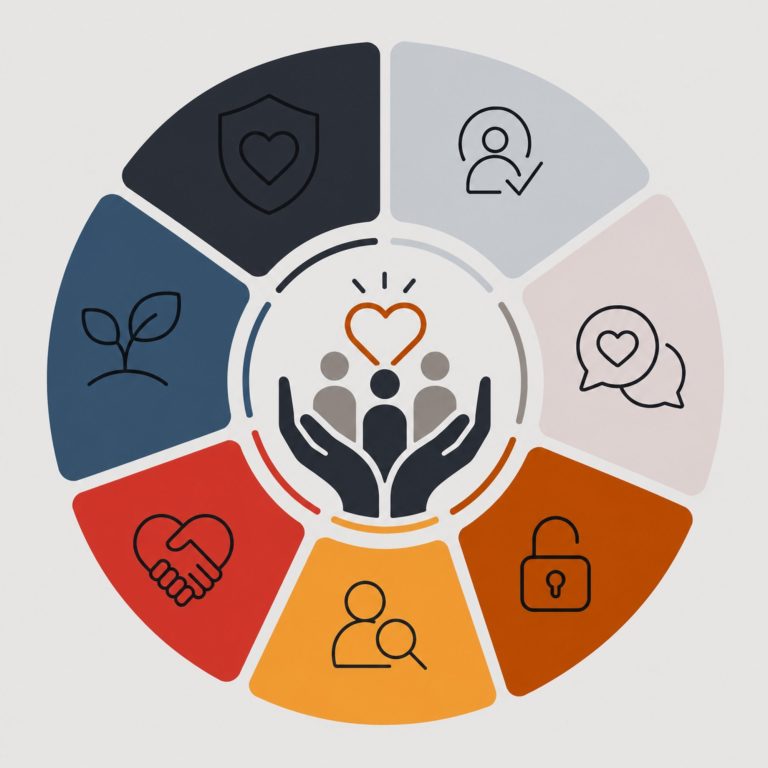
The Principles That Guide Our Work

Emotional Safety
We believe people learn, reflect, and grow most effectively when they feel emotionally safe. We strive to create environments where individuals feel respected, supported, and able to engage without fear of shame, criticism, or judgment.

Psychological Safety
We encourage participation, curiosity, and open conversation by creating spaces where people feel comfortable asking questions, sharing perspectives, and exploring new ideas. We believe psychological safety is essential for learning, well-being, innovation, and healthy relationships.

Compassionate Communication
We are committed to communicating with empathy, respect, and understanding. Whether working with individuals, organisations, or communities, we believe meaningful change begins with compassionate and authentic human connection.
Accessibility
We believe well-being education should be practical, inclusive, and accessible. Our workshops are designed to translate complex concepts into understandable, relatable, and real-world learning experiences that can be applied in everyday life and work.
Reflective Practice
We value curiosity, self-awareness, and continuous learning. Reflection creates opportunities for growth, understanding, and positive change, both individually and collectively. We encourage people to explore experiences with openness rather than judgment.
Human Connection
At the heart of the Fynix Project is a belief in the power of human connection. We recognise the importance of lived experience, empathy, belonging, and meaningful relationships in supporting wellbeing, resilience, and personal growth.
Our Philosophy

Creating Environments Where People Feel Safe to Learn, Reflect, and Grow
At Fynix Project, our philosophy is rooted in a simple belief: People thrive when they feel safe enough to learn, reflect, connect and grow
We recognise that every individual brings their own experiences, strengths, challenges and perspectives into the environments they live and work within. Whether in workplaces, schools, frontline services or community settings, we believe meaningful growth begins with understanding rather than judgement and support rather than shame.
Our approach is informed by trauma-informed principles, evidence-informed understanding and lived experience insight. We recognise that behaviour is often a form of communication and that many of the challenges people face are influenced by their experiences, environments and circumstances. Rather than asking, "What's wrong with this person?" we encourage curiosity, compassion and a deeper understanding of the factors that may be influencing thoughts, feelings, and behaviour.
We believe emotional safety and psychological safety are essential foundations for learning, wellbeing and development. People are more likely to engage, participate and reflect openly when they feel respected, valued and supported. Creating safer environments for learning does not remove accountability; rather, it creates the conditions where accountability, growth, and meaningful change can occur more effectively.
Reflection plays an important role within our philosophy. We believe people are more likely to develop self-awareness, resilience and understanding through reflection than through criticism, blame or judgment. By encouraging curiosity and reflective practice, we help create learning opportunities that feel constructive, practical and empowering.
Our workshops are designed to translate complex concepts into accessible, relatable, and real-world learning experiences. While our frameworks, resources and training programmes are informed by evidence, research and recognised best practice, our facilitation style remains human-centred, conversational and accessible. We believe people learn most effectively when information is presented in ways that are practical, engaging and relevant to everyday life and work.
Ultimately, our philosophy is centred on people. We believe healthier workplaces, stronger communities and safer support environments are built through emotional safety, psychological safety, compassionate communication and practical learning.
Our Core Philosophy
"We believe healthier workplaces, stronger communities, and safer support environments are built through emotional safety, psychological safety, compassionate communication, and practical learning."
Trauma-Informed Practice
Creating Emotionally Safe and Psychologically Safe Learning Environments
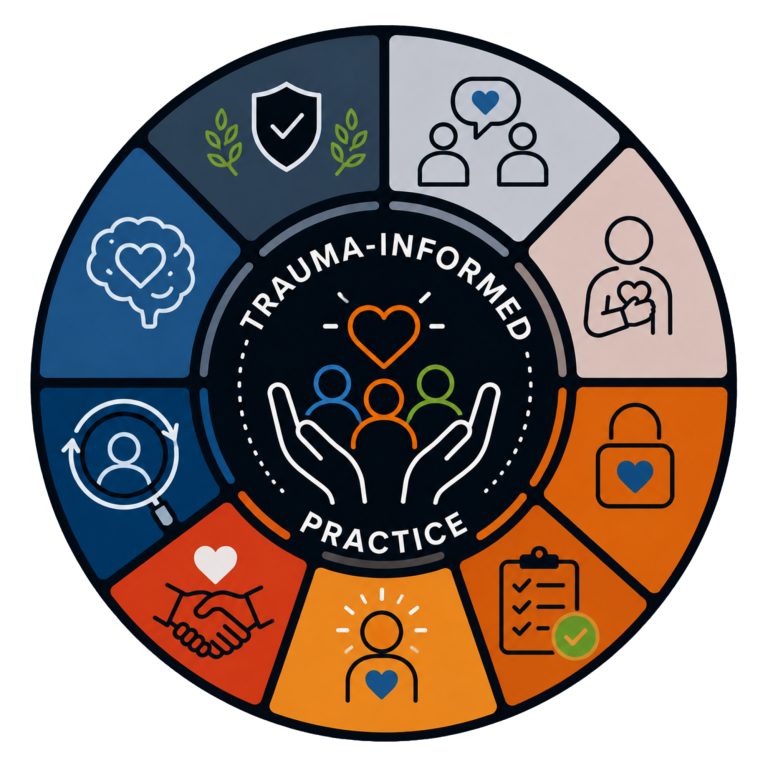
What Trauma-Informed Means at Fynix Project
Trauma-informed practice sits at the heart of the Fynix Project approach. It is not a standalone programme or intervention, but a guiding principle that influences how we communicate, facilitate learning and create environments where people feel safe, respected and able to participate.
We recognise that experiences can have a significant impact on wellbeing, behaviour, communication, relationships and learning. While every individual is different, experiences throughout life can shape how people respond to challenges, engage with others and navigate the environments around them.
For this reason, we aim to create learning environments that prioritise emotional safety, psychological safety and compassionate communication. We believe people are more likely to engage with learning, reflection and personal development when they feel supported rather than judged, understood rather than criticised and included rather than excluded.
Our trauma-informed approach encourages curiosity and understanding rather than assumptions and blame. We recognise that behaviour is often a form of communication and that people bring different experiences, perspectives, strengths and challenges into every learning environment.
We are committed to creating workshops and learning experiences that are accessible, inclusive and responsive to individual differences. Participation is encouraged, but never forced. Reflection is invited, but never demanded. We seek to create spaces where people feel able to engage at a pace that feels appropriate and comfortable for them.
Rather than focusing solely on problems or difficulties, our approach also recognises strengths, resilience, growth and the capacity for positive change. We believe practical learning experiences should help people build understanding, confidence and skills that can support wellbeing, communication and healthier relationships in everyday life and work.
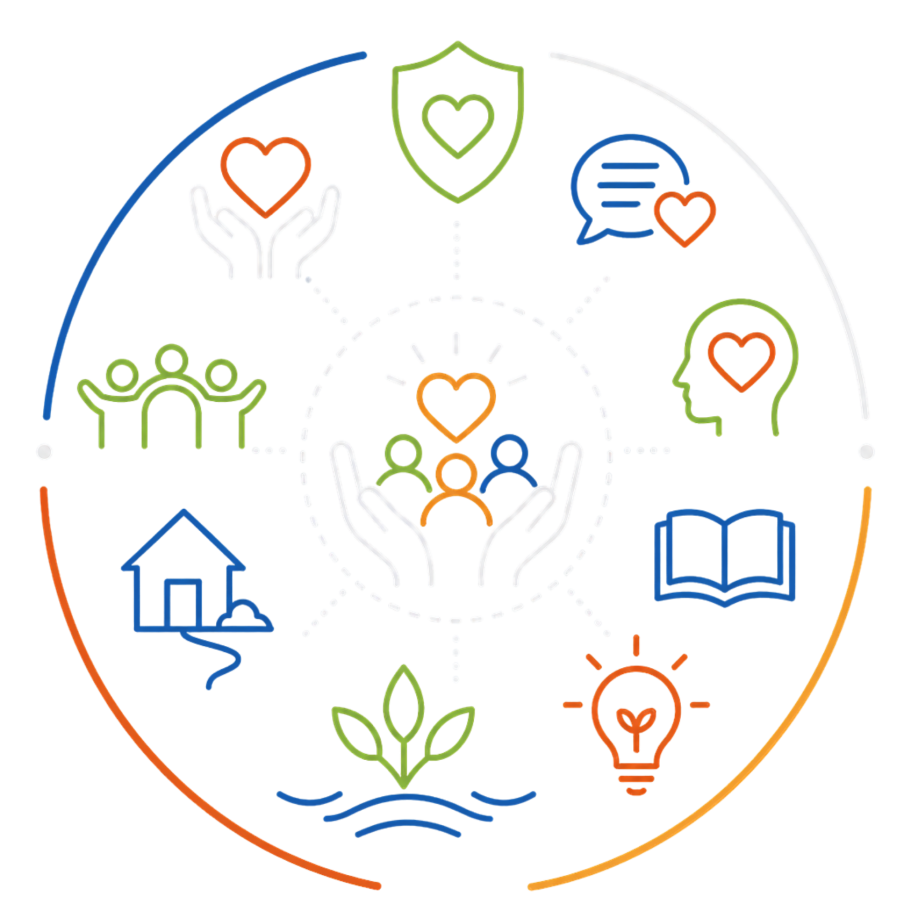
Our trauma-informed approach includes:
- Prioritising emotional safety and psychological safety
- Reducing shame, stigma, and judgment
- Encouraging compassionate communication
- Recognising individual experiences and differences
- Supporting inclusion and accessibility
- Encouraging participation without pressure
- Focusing on strengths, resilience, and growth
- Creating practical and meaningful learning experiences

Important Clarification
Fynix Project does not provide therapy, counselling or clinical interventions. Our trauma-informed approach influences how we facilitate learning, communicate and create supportive learning environments.
Our workshops are designed to provide education, reflection, discussion and practical learning opportunities within emotionally safe and professionally facilitated environments. This approach helps ensure our programmes remain accessible, supportive and appropriate for organisations, schools, local authorities, community groups and workforce settings.
Our Position
"Trauma-informed practice is not simply what we teach. It is how we create safer, more compassionate, and more accessible learning environments."
Our Approach

A Trauma-Informed, Evidence-Informed Approach to Learning and Wellbeing
We recognise that people learn in different ways and bring different experiences, strengths and perspectives into every learning environment. Rather than relying on academic language, lectures, or information-heavy delivery, we focus on creating engaging, practical, and conversational learning experiences that encourage participation, reflection and understanding.
Our workshops are designed to support curiosity rather than judgement, discussion rather than assumption and learning rather than criticism. We encourage participants to explore ideas, ask questions, and reflect on their own experiences within environments that prioritise emotional safety, psychological safety, and respectful communication.
While our facilitation style is approachable and human-centred, the frameworks, resources and workshop content we develop are informed by research, recognised best practice and evidence-informed principles. This allows us to balance accessibility with credibility, ensuring learning remains both engaging and professionally grounded.
Across all of our programmes, we aim to create learning experiences that are:
- Trauma-informed and emotionally safe
- Evidence-informed and professionally grounded
- Practical and applicable to everyday life and work
- Accessible, inclusive, and relatable
- Reflective rather than judgemental
- Focused on growth, wellbeing and resilience
- Designed to encourage participation and meaningful discussion
Ultimately, our approach is centred on helping people develop understanding, confidence and practical skills that support healthier workplaces, stronger communities and safer support environments.
Lived Experience & Professional Practice

Combining Lived Experience with Professional Practice and Continuous Learning
Lived experience forms an important part of the Fynix Project foundation. It shapes our understanding of the challenges people face, the barriers that can affect wellbeing and the importance of creating environments where people feel safe, respected and able to participate.
Through lived experience, we recognise that emotional wellbeing, resilience, recovery, and personal growth are often influenced by a complex combination of experiences, relationships, environments and circumstances. These insights help us develop learning experiences that are relatable, accessible and grounded in real-world understanding.
At the same time, we believe lived experience should not be viewed as a substitute for professional standards, ongoing learning or evidence-informed practice. While personal experience can provide valuable insight, effective wellbeing education and workforce development also require reflection, professional responsibility and a commitment to continual growth.
Our approach combines lived experience with trauma-informed principles, safeguarding awareness, reflective practice, professional development, and evidence-informed learning. This allows us to create programmes that are both human-centred and professionally grounded, balancing empathy and understanding with accountability, safety and best practice.
We believe this combination strengthens the quality of the learning environments we create. Lived experience can help foster connection, compassion, and accessibility, while professional practice helps ensure learning remains safe, ethical, structured, and appropriate for the settings in which it is delivered.
Rather than positioning lived experience and professional practice as opposing concepts, we see them as complementary. Together, they help create learning experiences that are authentic, practical and meaningful while remaining aligned with professional expectations and organisational needs.
Our Position
"Lived experience forms part of our foundation, but it is combined with ongoing learning, professional practice, and evidence-informed development."
Evidence-Informed Foundations
Creating Emotionally Safe and Psychologically Safe Learning Environments
At Fynix Project, we are committed to developing learning experiences that are informed by current evidence, recognised best practice and evolving understanding across wellbeing, workforce development and trauma-informed practice.
We recognise that organisations, schools, frontline services and community groups increasingly seek training and wellbeing programmes that are both credible and practical. For this reason, the frameworks, learning objectives, resources and guidance that underpin our work are developed using evidence-informed principles drawn from a range of relevant fields.
Our programme development is informed by current understanding from areas including:
- Trauma-informed practice
- Psychological safety
- Emotional regulation
- Behavioural understanding
- Workforce wellbeing
- Resilience and well-being education
- Reflective practice
- Communication and relational approaches
- Human learning and development
These areas help shape the structure behind our workshops, learning modules and organisational resources, ensuring that the content we develop reflects current thinking, recognised approaches and evidence-informed understanding.

How Evidence Informs Our Work
Evidence-informed principles contribute to the development of:
- Workshop frameworks
- Learning objectives
- Facilitator standards
- Programme design and development
- Organisational guidance
- Training resources and learning materials
- Reflective learning activities
- Workforce wellbeing programmes
This approach allows us to create structured learning experiences that are purposeful, professionally grounded, and aligned with contemporary understanding across relevant fields of practice.
What Our Workshops Feel Like
While evidence informs the foundations of our work, our workshops are intentionally designed to remain:
- Practical
- Human-centred
- Reflective
- Trauma-informed
- Accessible
- Conversational
- Non-academic
- Non-clinical
We believe people learn most effectively when information is presented in ways that feel relevant, understandable, and applicable to everyday life and work. Rather than overwhelming participants with research, theory, or technical language, we focus on translating evidence-informed concepts into meaningful learning experiences that encourage reflection, discussion, and practical application.
Our goal is not simply to share information, but to create opportunities for understanding, growth, and positive change within emotionally safe learning environments.
Our Position
"Evidence provides the foundation. Lived experience provides the insight. Together, they create meaningful learning."
Our Evolution
From Community Wellbeing to Organisational Development
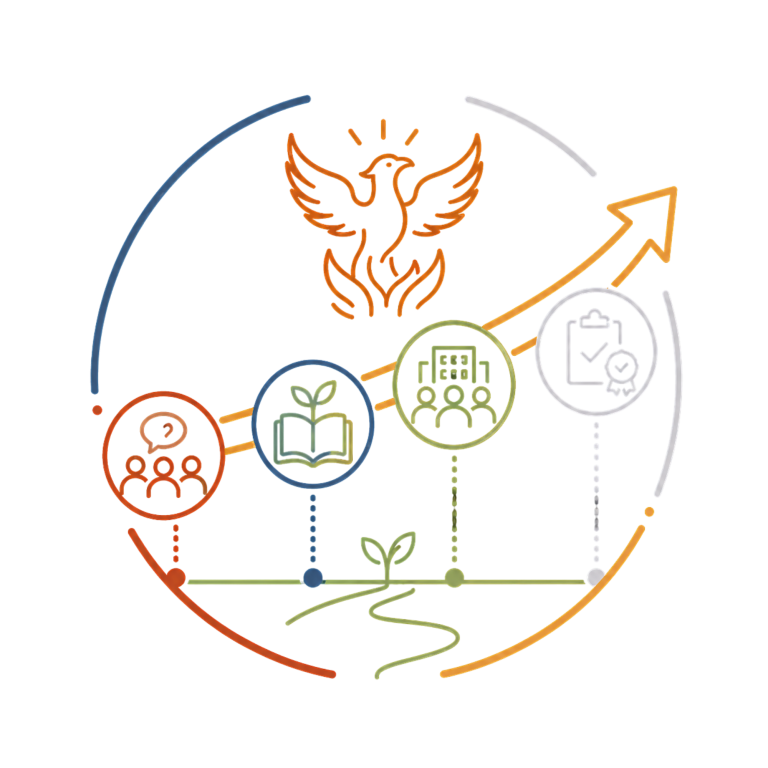
Fynix Project has continued to evolve through a commitment to learning, reflection, and continuous development. While our purpose has remained consistent, supporting wellbeing, resilience, emotional awareness, and healthier environments, the way we deliver that mission has expanded over time.
Our journey reflects a natural progression from grassroots wellbeing conversations to structured learning programmes, workforce development, and evidence-informed organisational training.
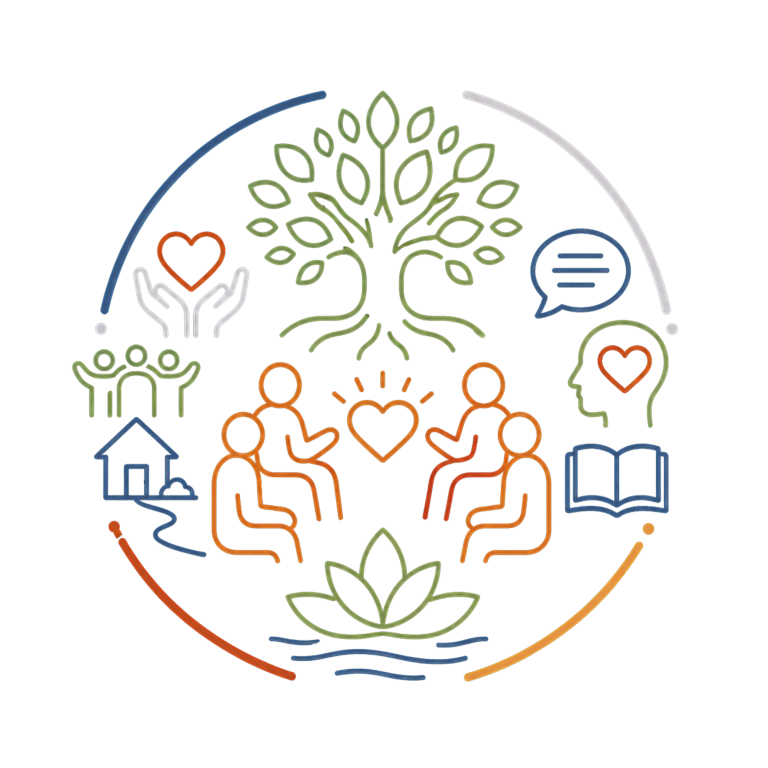
Phase 1 – Grassroots Origins
Fynix Project began with lived experience, wellbeing conversations, and a desire to create supportive spaces where people could explore challenges, share experiences, and develop a greater understanding of wellbeing, resilience, and personal growth.
During this stage, our focus centred on community wellbeing, recovery-focused support, emotional awareness and creating opportunities for connection, reflection, and learning.
The foundations established during this period continue to influence our work today, particularly our commitment to compassion, accessibility, human connection, and emotionally safe learning environments.

Phase 2 – Workshop Development
As demand for practical wellbeing education increased, Fynix Project began developing structured workshops, psychoeducational resources, and facilitated learning experiences designed to make wellbeing concepts more accessible and applicable to everyday life.
This phase saw the introduction of wellbeing workshops focused on emotional resilience, emotional regulation, communication, stress awareness, self-reflection, and personal development.
The goal was to move beyond awareness alone and create practical learning opportunities that participants could apply within their personal lives, workplaces, and communities.
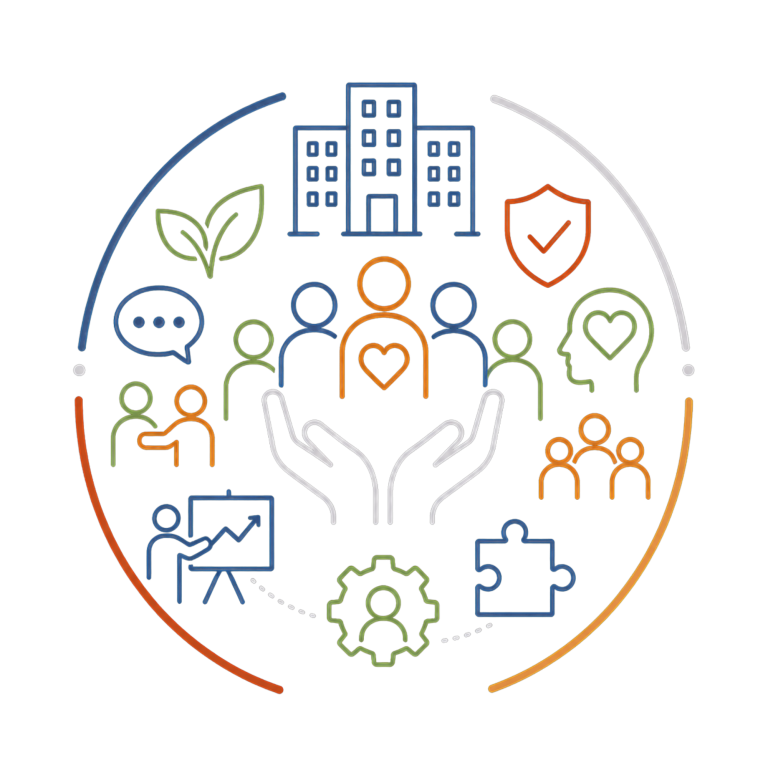
Workforce & Organisational Development
As relationships with organisations, community groups, and professional services expanded, Fynix Project began developing programmes designed to support workforce wellbeing, trauma-informed practice, psychological safety, and organisational learning.
This phase marked an important shift from individual wellbeing education towards supporting teams, workplaces, and services seeking to create healthier cultures, safer environments, and more resilient workforces.
Training programmes are increasingly focused on workforce wellbeing, trauma-informed approaches, communication, emotional awareness, psychologically safer workplaces, and reflective practice within professional settings.
As our reach expanded, we began working with a wider range of organisations, helping teams explore practical approaches to wellbeing, resilience, psychological safety, and supportive workplace cultures.

Phase 4 – Organisational Development & Commissioner Readiness
As Fynix Project continued to grow, increasing focus was placed on strengthening organisational development, quality assurance, programme structure, and evidence-informed practice.
This phase has included the development and ongoing refinement of structured learning frameworks, workforce training programmes, facilitator standards, organisational guidance and quality assurance processes designed to support consistent and professional delivery across a range of sectors.
Alongside this development, Fynix Project has continued to strengthen the evidence-informed foundations that underpin its work. Workshop frameworks, learning objectives and training resources are informed by current understanding, recognised best practice and ongoing professional development across areas including trauma-informed practice, psychological safety, emotional regulation, behavioural understanding and workforce wellbeing.
This stage of development has also involved the creation of commissioner-ready resources, programme documentation and organisational materials that help demonstrate the purpose, structure and evidence-informed foundations behind our work while supporting future partnerships, organisational growth and long-term sustainability.
Looking Forward

While Fynix Project continues to evolve, our core purpose remains unchanged. We remain committed to creating practical, accessible, and meaningful learning experiences that support healthier workplaces, stronger communities and safer support environments.
As we continue to develop our programmes, resources and organisational frameworks, our focus remains on creating learning opportunities that are human-centred, evidence-informed, and grounded in real-world application. We recognise that meaningful growth requires ongoing learning, reflection, and development, both as individuals and as an organisation.
Looking ahead, we will continue to strengthen our training programmes, organisational guidance and workforce learning opportunities while remaining guided by the values that have shaped our journey from the beginning.
Our evolution reflects a commitment to continuous learning, professional development and organisational growth while remaining grounded in compassion, lived experience, emotional safety and human connection.
Key Message
"While our organisation continues to grow and develop, our commitment remains the same: helping people, workplaces and communities create environments where wellbeing, learning and meaningful growth can flourish."
Who We Work With
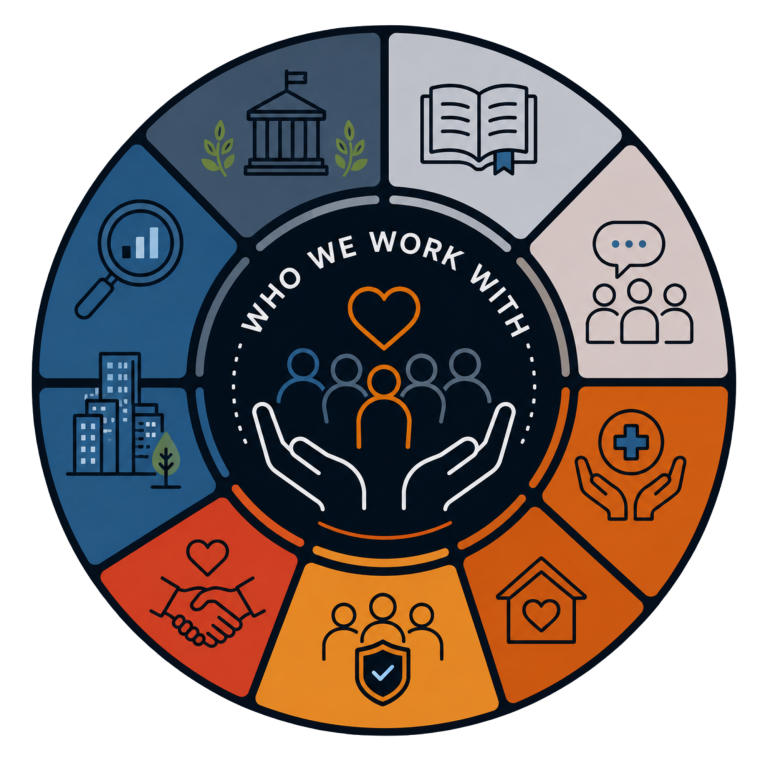
Supporting Organisations, Communities and Frontline Services
Fynix Project works with organisations, services, and communities seeking to create healthier workplaces, stronger communities, and safer support environments through practical, trauma-informed, and evidence-informed learning experiences.
Our workshops, training programmes, and wellbeing resources are designed to support individuals, teams, and organisations across a range of sectors, helping people develop greater emotional awareness, resilience, communication skills, psychological safety, and trauma-informed understanding.
Whether working with frontline professionals, community groups, educational settings, or workforce teams, our focus remains the same: creating accessible, practical, and meaningful learning experiences that can be applied in real-world environments.
Sectors We Support
We work with a wide range of organisations and services, including:
- Local Authorities
- Schools and Colleges
- Youth Services
- Housing Services
- Homelessness Services
- Charities and Third Sector Organisations
- Community Organisations
- Hospitality Businesses
- NHS Teams
- Healthcare Services
- Social Care Providers
- Recovery Services
- Frontline Professionals
- Workforce and Leadership Teams
Our programmes can be tailored to the needs of different organisations, sectors and audiences while remaining grounded in trauma-informed, evidence-informed and human-centred principles.
Areas We Serve
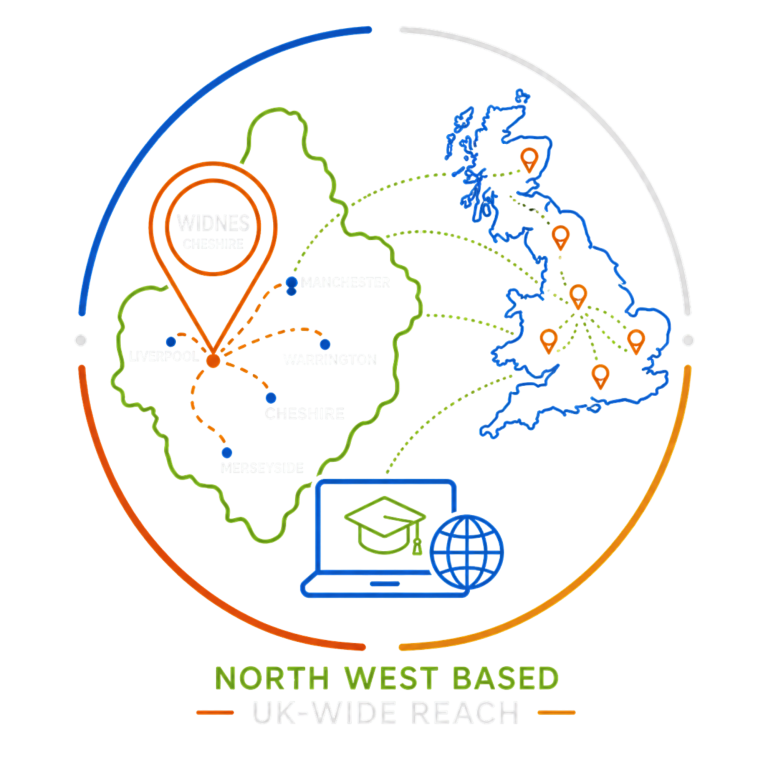
Fynix Project was founded in Widnes, Cheshire, and remains proudly based in the North West of England. We deliver both in-person and online learning opportunities, supporting organisations, services and communities across the region and throughout the UK.
In-Person Delivery
We regularly work with organisations across:
- Widnes
- Warrington
- Liverpool
- Manchester
- Greater Manchester
- Cheshire
- Merseyside
- Lancashire
- North West England
We are also able to discuss delivery in other locations, depending on organisational needs and project requirements.
Online Delivery
Alongside our in-person services, we provide online workshops, training programmes and learning opportunities throughout the United Kingdom, allowing organisations and communities nationwide to access our services.
Key Message
"We work with organisations, services and communities that share our commitment to creating healthier workplaces, stronger communities and safer support environments."
Why Organisations Choose Fynix
Practical, Trauma-Informed Learning for Organisations, Communities and Workforces
Organisations choose Fynix Project because we combine lived experience, evidence-informed practice, and practical learning approaches to create workshops and training programmes that are engaging, accessible, and relevant to real-world environments.
Our goal is not simply to increase awareness, but to provide meaningful learning experiences that help individuals, teams, and organisations build understanding, confidence, and practical skills that can be applied in everyday settings.

Trauma-Informed and Human-Centred
Our workshops are designed around principles of emotional safety, psychological safety, inclusion and respectful participation. We create learning environments where people feel supported, valued and able to engage without pressure or judgement.

Practical and Accessible Learning
We focus on translating concepts into practical tools, discussions, and learning experiences that participants can understand and apply within their workplaces, services, communities, and personal lives.

Lived Experience Combined with Evidence-Informed Practice
Lived experience helps shape our understanding and approach, while ongoing learning, professional development, and evidence-informed principles help ensure our frameworks remain credible, relevant, and continuously evolving.
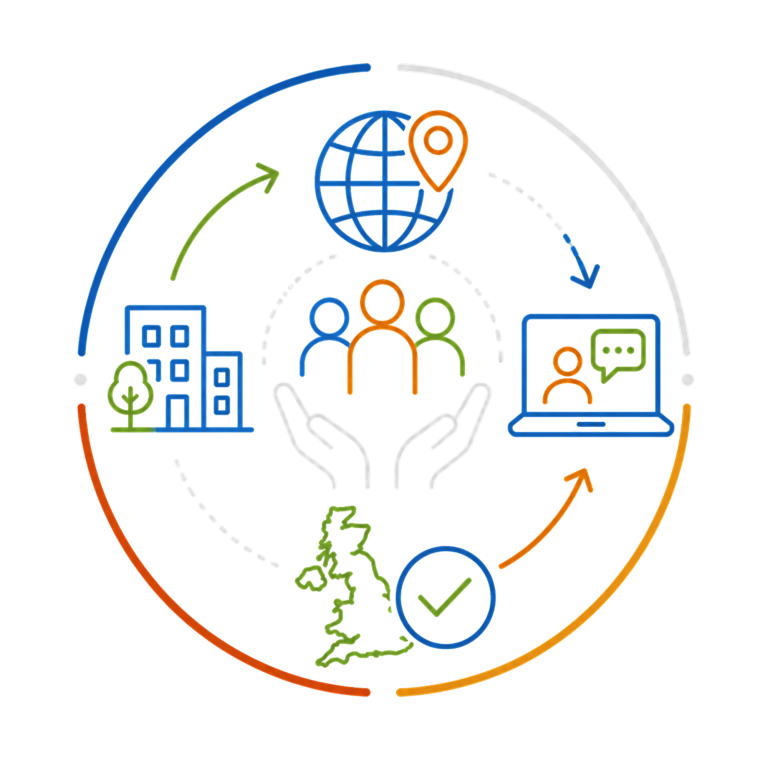
Flexible Delivery Options
Fynix Project delivers workshops both in-person and online, enabling organisations across the North West of England and throughout the UK to access learning opportunities that meet their needs.
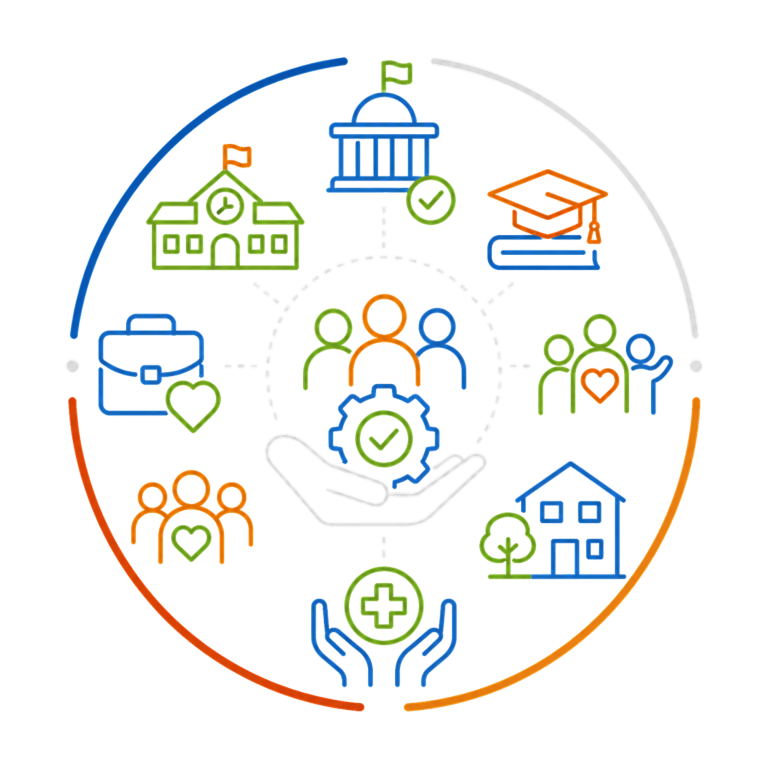
Tailored to Different Sectors
Our workshops can be adapted to support local authorities, schools, colleges, youth services, charities, housing providers, social care organisations, community groups, healthcare teams, and frontline professionals.
North West Based, UK-Wide Reach
Founded and based in Widnes, Cheshire, Fynix Project delivers learning opportunities across the North West, including Widnes, Warrington, Liverpool, Manchester, Greater Manchester, Cheshire, and Merseyside, while also providing online delivery throughout the UK.
"We are committed to providing practical, compassionate and professionally delivered learning experiences that support healthier workplaces, stronger communities and safer support environments."
Key Message
Our Vision
Creating Healthier Workplaces, Stronger Communities, and Safer Support Environments
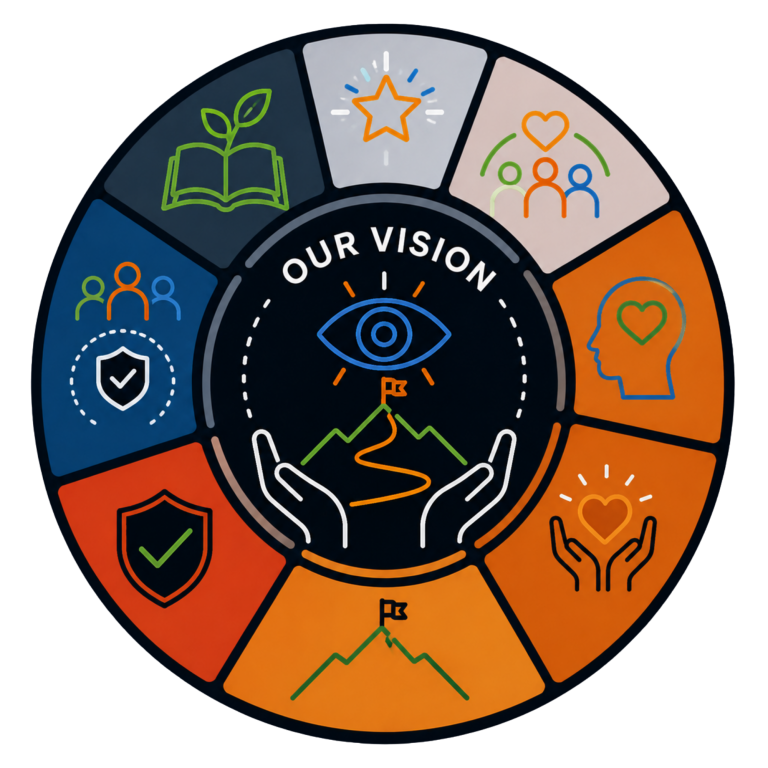
At Fynix Project, our vision extends beyond individual workshops, training programmes and learning experiences. We believe meaningful change happens when emotional well-being, psychological safety and compassionate communication become embedded within the environments where people live, learn, work, and connect.
We envision workplaces where people feel psychologically safe enough to contribute ideas, ask questions, learn from mistakes and participate without fear of judgment. We believe healthier workplace cultures are built through understanding, trust, communication and shared responsibility.
We envision stronger communities where people have access to practical wellbeing education, opportunities for connection and supportive environments that encourage resilience, self-awareness and personal growth.
We believe well-being support should be accessible, relatable and available before individuals reach a point of crisis. Through prevention-focused approaches, emotional awareness, and practical learning opportunities, we hope to contribute to healthier individuals, stronger teams, and more connected communities.
As awareness of emotional wellbeing, trauma-informed practice and psychological safety continues to grow, we remain committed to helping organisations and communities create cultures that value compassion, inclusion, learning and human connection.
Our vision is not simply to deliver workshops. It is to contribute to a future where emotional safety, psychological safety and wellbeing are recognised as essential foundations for healthy workplaces, thriving communities and effective support environments.